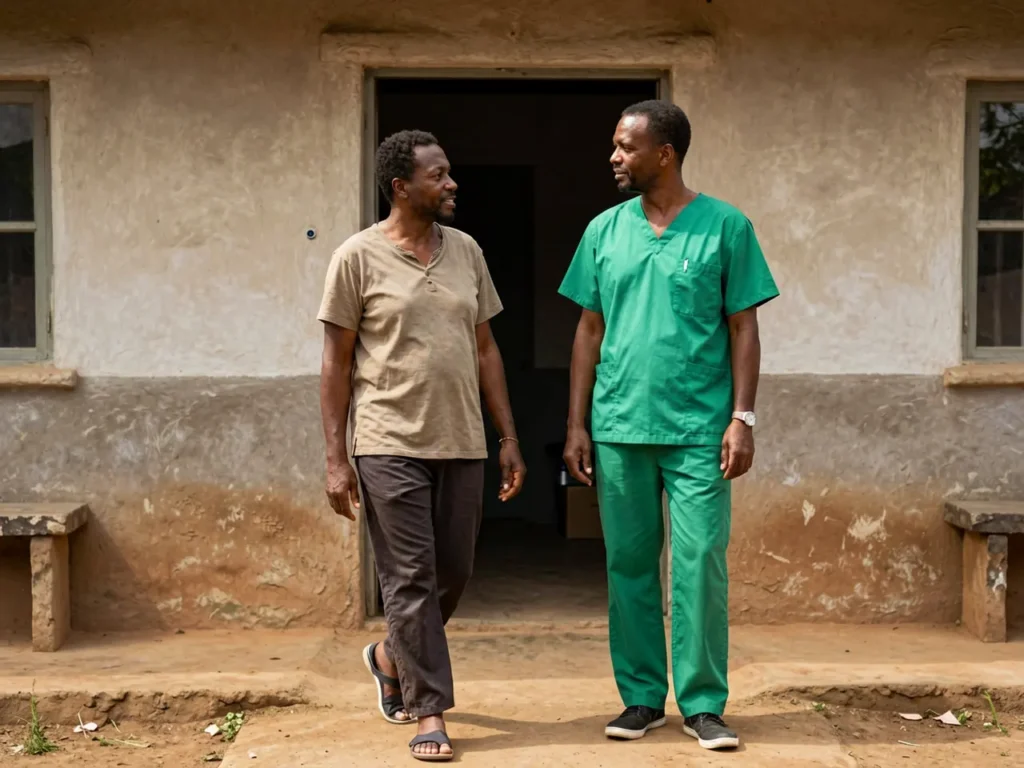
The World Health Organization has recommended a shorter and less toxic treatment for kala-azar in eastern Africa, reducing the standard course for eligible patients from 34 injections over 17 days to 14 injections over 14 days. The update, released July 29, combines the oral medicine miltefosine with one daily injection of paromomycin. Clinical trials in Ethiopia, Kenya, Sudan, and Uganda found the combination more than 90 percent effective, according to the Drugs for Neglected Diseases initiative.
The change is important because kala-azar, also called visceral leishmaniasis, is not merely uncomfortable. The sandfly-borne parasitic disease can cause prolonged fever, severe weight loss, anemia, and enlargement of the spleen and liver. Without treatment, it can be fatal. WHO estimates that 50,000 to 90,000 cases occur each year across 80 endemic countries, but only 25 to 45 percent are reported to the agency.
What the New Guidance Changes
For years, a common treatment in eastern Africa paired sodium stibogluconate with paromomycin. Patients received two painful injections a day for 17 days. Sodium stibogluconate can also cause serious toxic effects. The new combination removes that drug, uses oral miltefosine, and keeps paromomycin as a single daily injection for 14 days.
The arithmetic is simple but the human effect is larger: 20 fewer injections, three fewer treatment days, and lower exposure to a medicine associated with substantial toxicity. In remote areas, each day in treatment can mean travel, time away from work, and another day when a parent must remain near a sick child. DNDi reports that eastern Africa carried 79 percent of recorded kala-azar cases in 2024 and that half of the people affected there were children younger than 15.
WHO also revised treatment for post-kala-azar dermal leishmaniasis, or PKDL. This skin condition may appear after a person has recovered from kala-azar. It is not usually fatal, but it can cause stigma and social isolation, and people with untreated PKDL may continue to carry the parasite in a community.
In eastern Africa, chronic PKDL had sometimes required 30 to 60 days of sodium stibogluconate injections. Under one newly recommended regimen, patients can spend 14 days in the hospital receiving miltefosine and paromomycin, then complete 28 days of oral miltefosine at home. In South Asia, WHO recommends shorter options using liposomal amphotericin B alone or together with a limited course of miltefosine, replacing or reducing reliance on a 12-week oral regimen.
Who the Recommendations Do Not Cover
The announcement is not a universal replacement for every leishmaniasis treatment. The guidelines address specific forms of the disease in eastern Africa and South-East Asia and apply to patients who are HIV-negative. Treatment still depends on the parasite species, clinical form, immune status, other illnesses, and location.
Miltefosine can harm fetal development. DNDi says women who could become pregnant need a negative pregnancy test and must follow contraception requirements to receive the new eastern African regimen. Patients who are not eligible will still need older treatments. WHO also notes that some people with visceral leishmaniasis in Africa will continue to rely on sodium stibogluconate until other therapies become available.
Those boundaries matter. A shorter regimen can improve adherence and reduce pressure on hospitals, but only when clinics can obtain quality-assured medicines, monitor adverse effects, and follow patients after treatment. The formal WHO guideline is therefore a starting point for health systems, not proof that every clinic already has the new combination on its shelf.
What Happens Next
Countries affected by kala-azar and PKDL must now decide how to incorporate the recommendations into national treatment protocols. Kenya’s head of vector-borne and neglected tropical diseases told WHO that officials were working to include the new regimens in the country’s guidelines so patients could benefit as soon as possible. Kenya also participated in the research through the Leishmaniasis East Africa Platform.
The evidence behind the update came from partnerships among ministries of health, hospitals, researchers, WHO, and DNDi. That collaboration is especially relevant for neglected diseases, which often receive less commercial research investment even when they impose a heavy burden on poor and rural communities.
For patients, the most meaningful result is not the name of a guideline committee. It is the difference between preparing for 34 painful injections and preparing for 14. The new recommendation does not eliminate kala-azar, and implementation will take time. It does, however, turn years of clinical research into a treatment that more patients may realistically be able to start and finish.
Sources
- World Health Organization (2026-07-29): Details the updated regional regimens, disease burden, patient eligibility limits, safety considerations, and implementation steps.
- Drugs for Neglected Diseases initiative (2026-07-29): Reports trial locations, effectiveness above 90 percent, the reduction from 34 to 14 injections, and PKDL treatment details.
- Citizen Digital (2026-07-29): Provides independent regional coverage of the new East African treatment guidance and its practical patient implications.