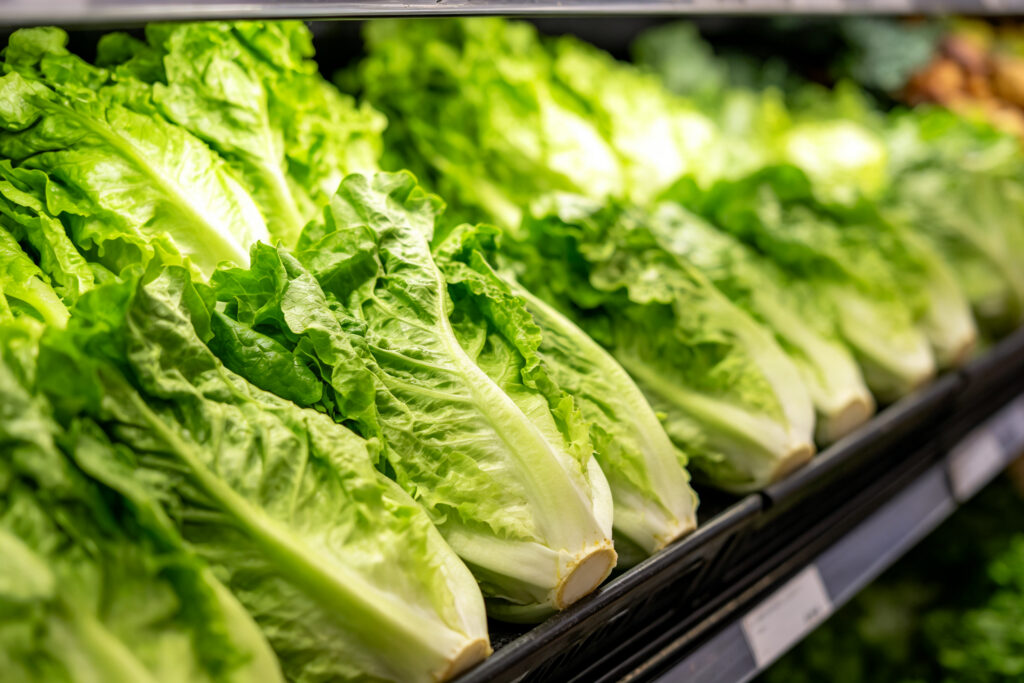
In late August 2026, a foodborne illness investigation that began quietly over the summer became the largest outbreak of cyclosporiasis ever recorded in the United States. On August 27, the Food and Drug Administration reported that 11,458 people across 20 states had fallen ill after eating romaine lettuce imported from Mexico. The numbers are large enough to sound abstract, but behind each case is a person who experienced watery diarrhea, stomach cramping, fatigue, and sometimes weeks of recurring symptoms before receiving a correct diagnosis.
What makes this outbreak particularly noteworthy is not only its scale but also what it reveals about the modern produce supply chain. A single growing region can supply restaurants and grocery stores across much of the country within days, and a parasite too small to see can travel with every shipment. By the time public health officials connect the cases, the contaminated product may already be gone from shelves, leaving investigators to reconstruct what happened through patient interviews, laboratory testing, and supply-chain records.
The scale of the outbreak
As of the FDA’s August 27 update, the confirmed outbreak includes 11,458 illnesses spread across 20 states. Earlier in the month, on August 5, the Centers for Disease Control and Prevention had already described the investigation as the largest documented cyclosporiasis outbreak in U.S. history, with 6,358 laboratory-confirmed cases, 278 hospitalizations, and two deaths across 15 states. The subsequent increase to 20 states and more than 11,000 cases does not necessarily mean that contamination continued spreading after the announcement. Instead, it reflects the time required for patients to seek care, receive testing, and be interviewed before their illnesses can be officially linked to the same outbreak.
Cyclosporiasis is caused by the microscopic parasite Cyclospora cayetanensis, which is spread through contaminated food or water. The incubation period averages about one week, and symptoms include frequent watery diarrhea, abdominal pain, nausea, fatigue, and loss of appetite. Without treatment, the illness can last for days or even months and may relapse. Routine stool cultures do not detect the parasite, so diagnosis often requires specialized molecular testing that many clinicians do not order unless they specifically suspect cyclosporiasis.
This diagnostic delay helps explain why outbreak numbers continue rising weeks after the first cases appear. A person who becomes ill in late June may not receive a confirmed diagnosis until mid-July, and that case may not be incorporated into national outbreak statistics until August. The outbreak map therefore shows where investigators have confirmed connections, not necessarily where people are currently becoming sick.
Tracing the source
The investigation has focused on romaine lettuce imported from Mexico. On July 17, Taylor Farms, a major produce supplier, voluntarily recalled all romaine lettuce products sourced from Mexico. The FDA has noted that most patients became ill before that recall date, and all recalled products associated with the outbreak have now been removed from the market. The agency is working with Mexican authorities to conduct on-site inspections and collect samples from relevant farms and processing facilities.
Identifying romaine lettuce as the source required careful epidemiological work. Investigators interviewed hundreds of patients about what they ate, where they shopped, and which restaurants they visited in the weeks before becoming ill. Fresh produce is especially difficult to trace because it is rarely consumed alone. A restaurant salad may contain lettuce, tomatoes, onions, cheese, and dressing from different suppliers, and a grocery store salad kit may combine vegetables from multiple farms. Only after comparing exposure histories across hundreds of patients did a consistent pattern emerge.
The produce supply chain adds another layer of complexity. A single shipment of romaine lettuce may be divided repeatedly, passing through packing houses, distributors, and wholesalers before reaching restaurants and grocery stores in dozens of states. This means that illnesses appearing in Texas, Tennessee, and Kentucky can ultimately originate from the same growing region, even though patients purchased their food from entirely different retailers. Electronic traceback systems have helped investigators reconstruct these networks faster than was possible in previous outbreaks, but the process still requires patience and careful documentation.
Why this outbreak is different
The United States has experienced cyclosporiasis outbreaks since the mid-1990s, but most have involved hundreds of illnesses linked to products such as raspberries, basil, cilantro, mesclun lettuce, snow peas, and packaged salads. The current outbreak, with more than 11,000 confirmed cases, is unprecedented in scale. It also reflects substantial improvements in public health surveillance. Electronic disease reporting allows state health departments to notify the CDC rapidly when unusual patterns emerge, and molecular gastrointestinal panels have made it easier for clinical laboratories to identify Cyclospora without relying solely on specialized microscopic examination.
Despite these advances, important limitations remain. Unlike bacterial pathogens such as Salmonella or Listeria, Cyclospora cannot yet be routinely characterized using whole genome sequencing. Investigators therefore rely heavily on traditional epidemiology, patient interviews, and traceback records to identify common sources. The CDC has also noted that additional cases of cyclosporiasis remain under investigation separately from the confirmed 20-state outbreak, raising the possibility that multiple contamination events may be occurring simultaneously during the same growing season.
What consumers should know
The recalled romaine lettuce products have been removed from the market, and consumers do not need to avoid all fresh produce. The health benefits of fruits and vegetables continue to outweigh the relatively small risk of foodborne illness. However, the FDA recommends washing fresh produce under clean running water before preparation or consumption, even when it will be peeled. Soap, bleach, and household detergents should never be used on produce because they may leave harmful residues.
Consumers should also pay attention to recall notices and discard any products that have been recalled. People who develop persistent watery diarrhea lasting more than a few days, especially with severe fatigue, abdominal cramping, or unexplained weight loss, should seek medical evaluation and mention any recent consumption of fresh produce. Because routine testing may not detect Cyclospora, advocating for specific testing can lead to a faster diagnosis and appropriate treatment.
The 2026 cyclosporiasis outbreak is a reminder that food safety depends on every stage of the supply chain, from farm to table. Continued investment in surveillance, agricultural water quality, laboratory science, international collaboration, and food traceability will be essential to preventing future outbreaks from reaching this scale.
Sources
- Xinhua (2026-08-28): Reports the FDA’s August 27 update that 11,458 cyclosporiasis cases across 20 U.S. states are linked to romaine lettuce imported from Mexico, notes Taylor Farms’ July 17 recall, and describes the FDA’s ongoing inspections of Mexican farms and processing facilities.
- Food Poisoning News (2026-08-06): Explains the CDC’s August 5 announcement that the outbreak had expanded to 15 states with 6,358 confirmed cases, 278 hospitalizations, and two deaths, and provides detailed analysis of how multistate produce outbreak investigations work.
- Centers for Disease Control and Prevention: Provides background on cyclosporiasis symptoms, transmission, and diagnosis, including the approximately one-week incubation period and the need for specialized laboratory testing.